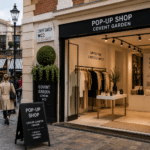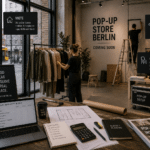

A pop-up store is a retail or branded space that opens for a limited period to achieve a specific objective: to sell, launch a product, test a market, build awareness or create a physical experience for customers and the community.
Unlike a permanent store, a pop-up is temporary by design. That gives brands greater flexibility and a way to build physical presence without committing immediately to a long-term lease.
What is a pop-up store?
A pop-up store, also called a temporary shop or temporary retail space, is a physical venue used by a brand for a defined period.
It may last a few days, several weeks or a few months. The key point is not the exact duration, but that the venue is activated to solve a specific business need.
The format can be a store open to the public, a showroom, a brand activation, a product launch or an experience designed for a particular community.
What is a pop-up store used for?
Brands use pop-ups mainly to:
- Sell for a limited period without opening a permanent store.
- Launch a product, collection or collaboration.
- Test a city, neighbourhood or market before making a larger investment.
- Build awareness and create direct contact with customers, press, creators or a community.
For a digital brand, a pop-up brings the customer relationship from online into the physical world. For an established brand, it can activate a new city or create an exceptional moment around a launch.
Main pop-up formats
The right format depends on the objective.
A sales-led pop-up shop usually needs visibility, a strong storefront, storage and a clear customer journey.
A temporary showroom prioritises product presentation and meetings with buyers, press or invited guests. Interior quality and accessibility may matter more than walk-in traffic.
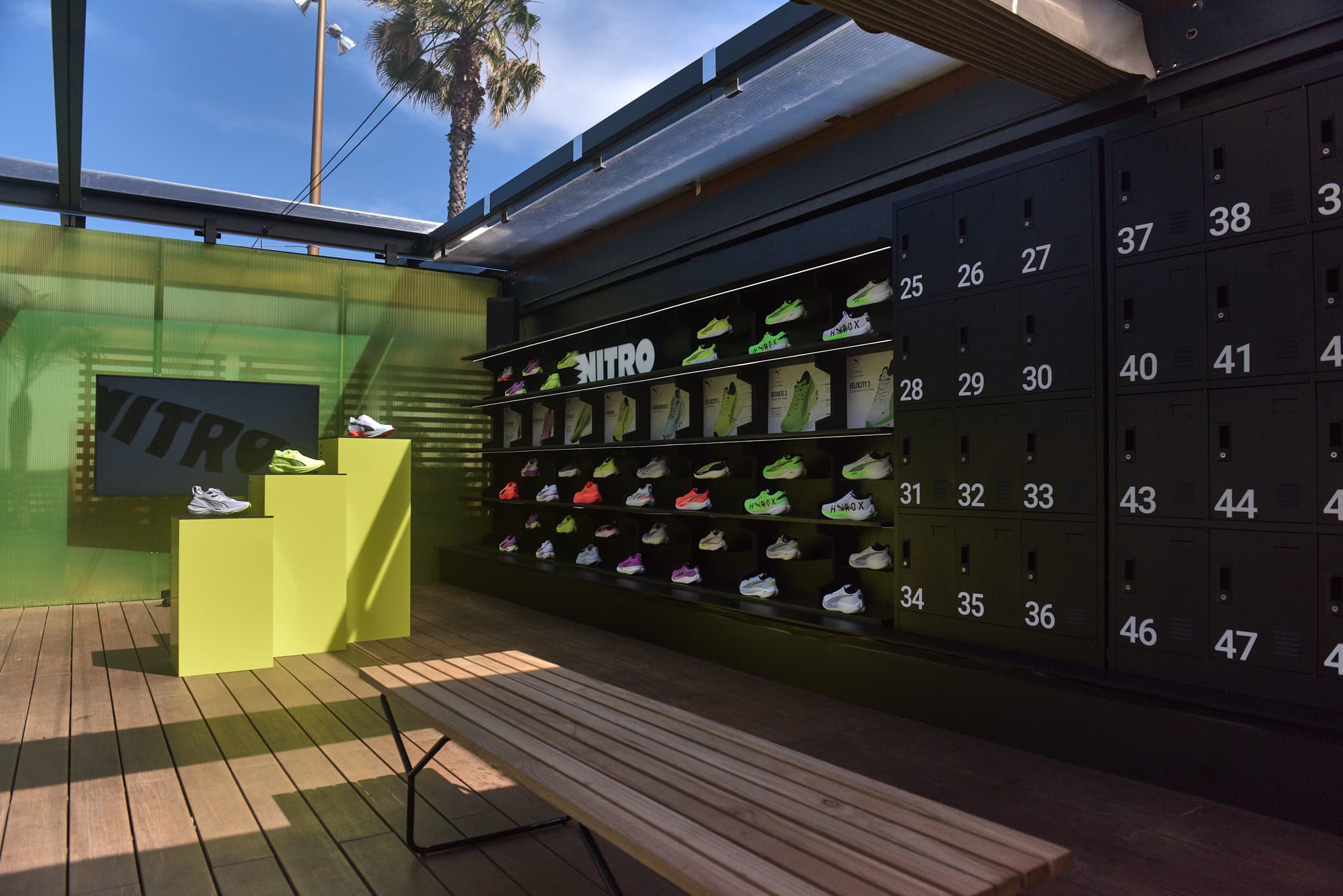
A brand activation is designed to generate interaction or experience. It may include demonstrations, installations, events, sampling or launches and usually requires more attention to production and technical capacity.
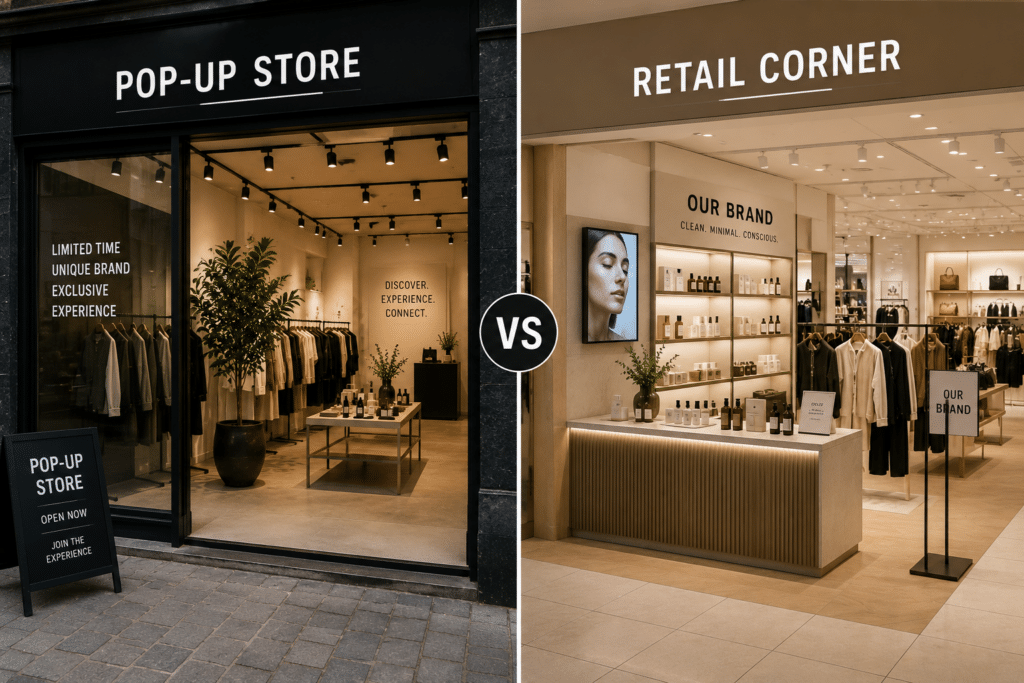
More compact formats include retail corners, shop-in-shops and kiosks.
How does a pop-up store work?
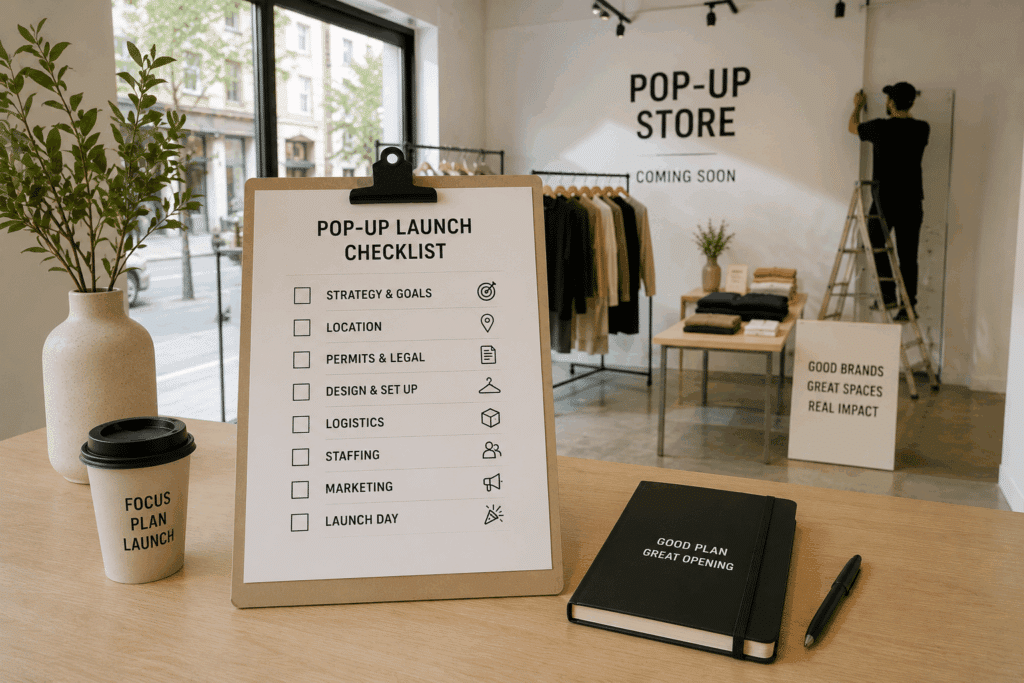
A strong project should not begin with a random venue search. First define what the activation needs to achieve; then choose the city, micro-location, venue and operating model.
1. Define the objective
Decide whether the project is focused on sales, awareness, a product launch, customer acquisition or market validation.
The objective will shape the location, duration, budget and success metrics.
2. Choose the location and venue
The best location is not automatically the most expensive. It must fit the brand’s audience and positioning.
Then validate the usable area, storefront, access, storage, opening hours, power, internet, branding permissions and installation conditions.
If the project is in London, you can compare pop-up spaces in London on Go—PopUp.
3. Plan the operations
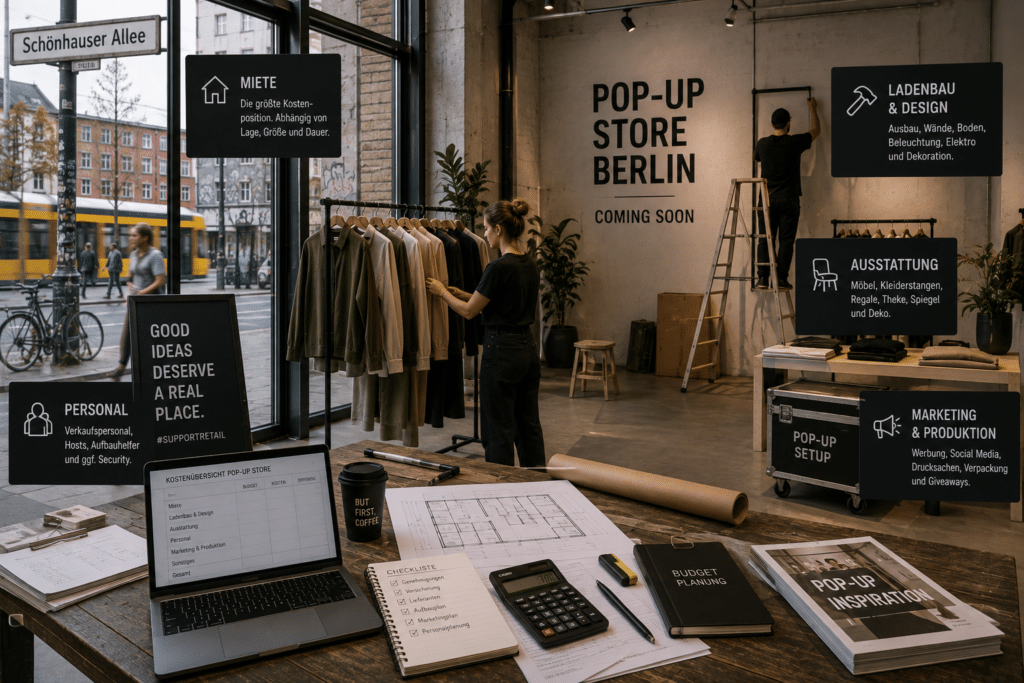
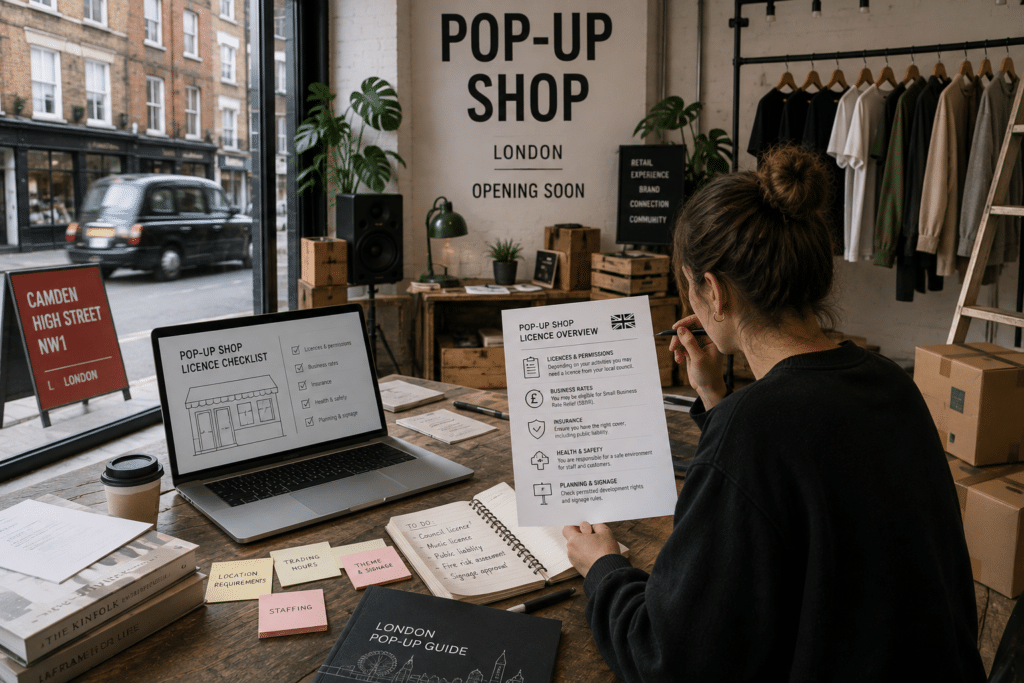
Rent is only one part of the project. Depending on the format, the budget may also include furniture, transport, staffing, production, security, cleaning, insurance, permits and communications.
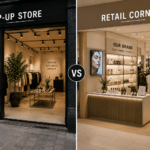
The more complex the activation, the more important it is to define these needs before booking. The comparison of pop-up stores, temporary shops and retail corners can help identify the most suitable format.
How long does a pop-up last and how much does it cost?
There is no standard duration. A pop-up can last a day, a weekend, several weeks or a few months.
The duration follows the objective. A launch may need only a few days; a market test usually needs more time to generate useful information.
The cost also varies by city, neighbourhood, venue size, duration and production level. Brands should work with a total project budget rather than looking only at the rental price.
How to choose the right space
A good venue must fit the audience and the operation.
Before booking, review:
- Location and neighbourhood profile.
- Visibility and access.
- Size and layout.
- Equipment and technical requirements.
- Conditions of use, installation and customisation.
Choosing a venue from photographs alone, without checking these variables, is one of the most common mistakes in a pop-up project.
Frequently asked questions
Does a pop-up have to sell products?
No. It can also be used as a showroom, event venue, presentation space, brand activation, press space or market test.
Can a venue be rented for only a few days?
Yes. Time flexibility is one of the format’s defining characteristics. The minimum stay depends on each venue.
Can a pop-up be used to test a market?
Yes. A brand can measure customer response, location performance and product interest before committing to permanent retail.
Find a space for your pop-up
Once the objective is clear, compare venues that fit the city, audience and activation format.
You can explore available spaces in London. If the project needs a highly specific location, scouting, production or full coordination, discuss it with the Go—PopUp agency.