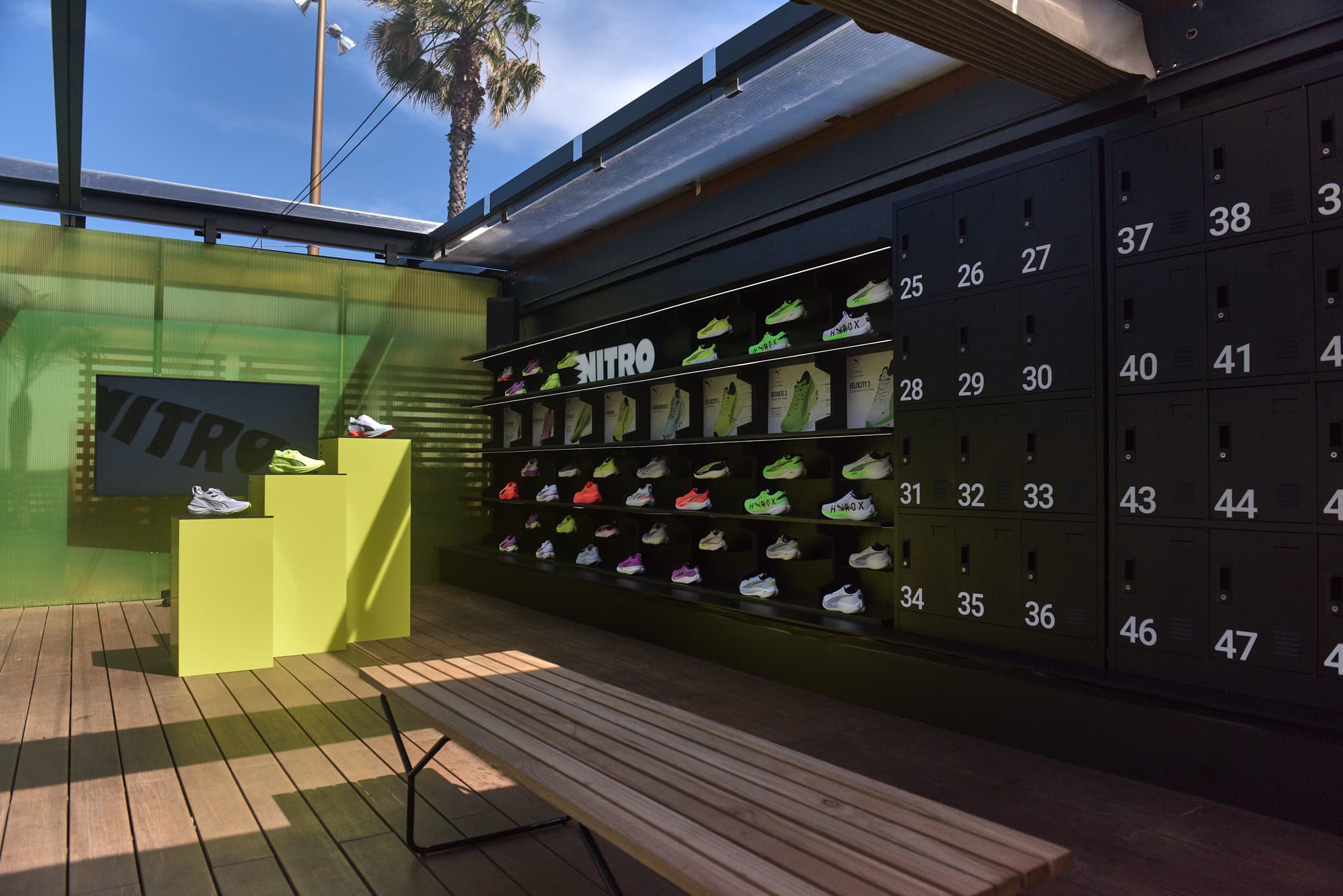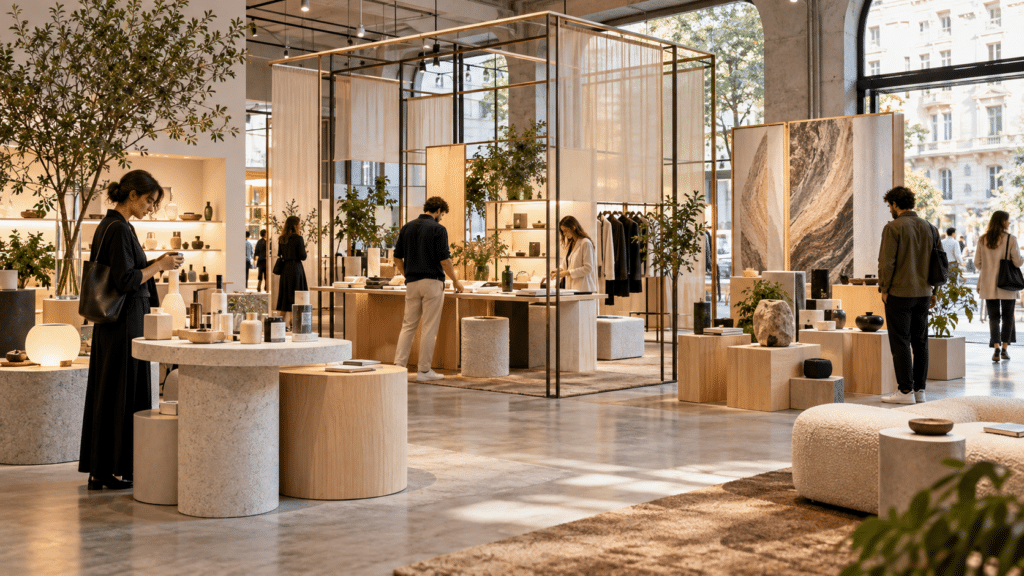
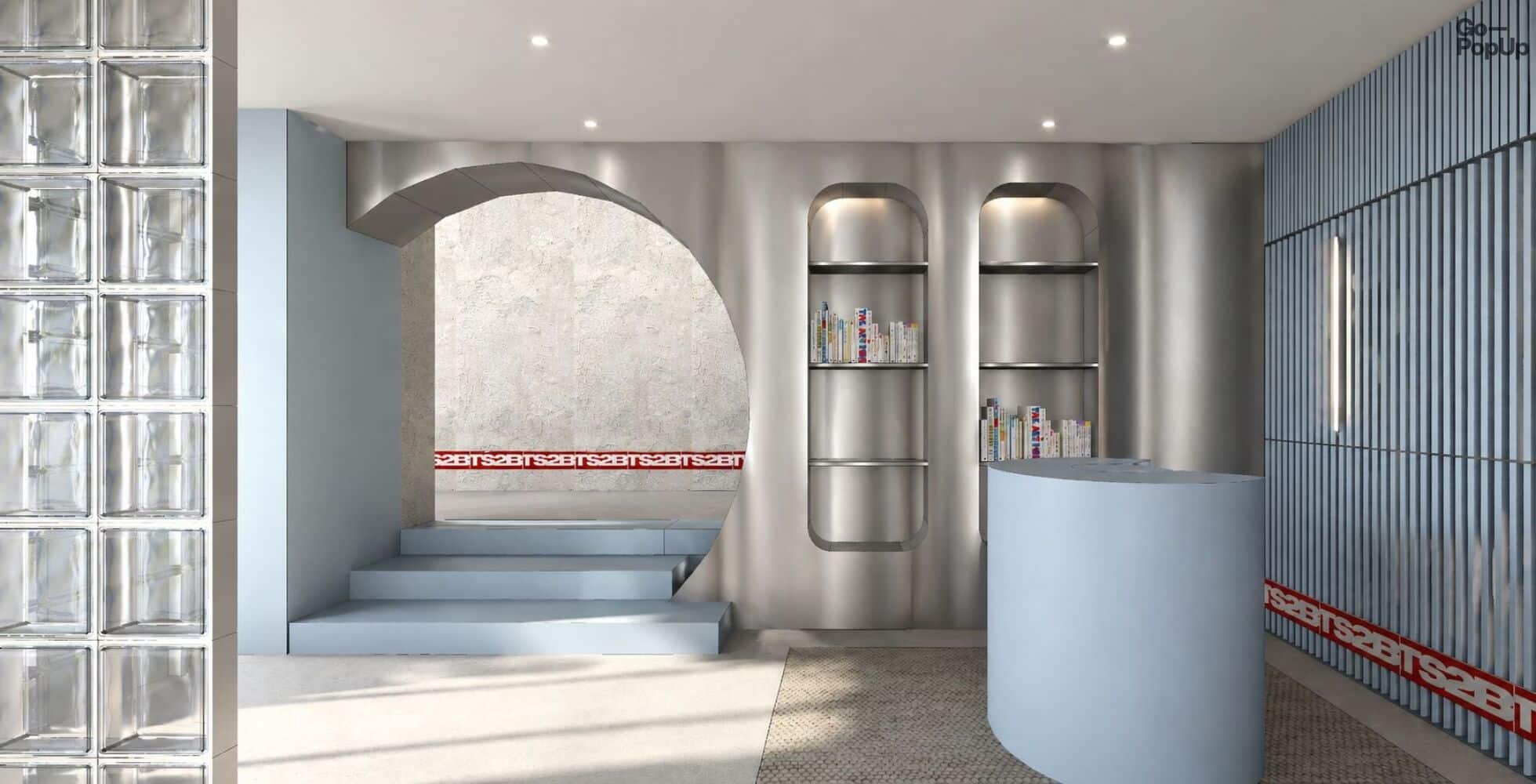

One of the first decisions when planning a physical activation is defining how long a pop-up should last. And although it may seem like a secondary question compared to the space or the city, the duration actually conditions a large part of the result: the budget, the commercial intensity, the logistics and even the perception the brand creates.
It is common to think that the more days a pop-up lasts, the more opportunities there will be to sell or generate visibility. But in temporary retail, it does not always work that way.
A well-planned activation does not depend on lasting longer, but on choosing a timeframe that makes sense for the objective behind it.
First: not all pop-ups have the same goal
Before defining the duration, it is important to understand why the activation is being done.
A pop-up does not need the same amount of time if it is designed to:
- launch a collection
- sell during a specific moment
- validate a city
- generate content
- activate a community
- test a product or format
- support an event
If the goal is to present something new or create urgency, a shorter duration usually works very well. In these cases, the value lies in concentrating attention over just a few days.
If the goal is to observe buying behaviour or test a new market, it may make sense to extend the activation by a few more days in order to gather real insights.
The duration should always respond to a commercial logic, not just to the availability of the space.
[Visual recommendation: include a simple infographic linking each pop-up goal with a recommended duration: launch, sales, city testing, content and community.]
Three days can work better than a full week
In many first activations, three or four well-focused days can generate more impact than a longer opening without enough energy behind it.
Why?
Because a pop-up works especially well when it creates a sense of limited opportunity.
When the timeframe is short:
- urgency is activated more easily
- communication is more concentrated
- the operational effort is easier to sustain
- the brand maintains intensity
- the budget is used more efficiently
A three-day pop-up can work particularly well if it coincides with a weekend, a relevant commercial date or a moment when the brand’s community is already ready to respond.
On the other hand, when the duration is extended without a clear strategy, the activation can lose strength very quickly. The first day brings novelty, but if there is no plan to keep interest alive, the pop-up can start to feel diluted.
A full week only makes sense if you can sustain it
Opening for seven days or more can work very well, but it requires real activation capacity.
That means having the following properly planned:
- staff
- product replenishment
- continuous communication
- the ability to maintain interest every day
- stock control
- results tracking
Because staying open for longer does not always improve the outcome. Sometimes it simply increases the cost and reduces intensity.
A full week can make sense if there is a clear strategy behind it: different communication moments, planned visits, collaborations, special actions or a location with consistent foot traffic.
But if the brand cannot sustain the energy throughout all the days, it may be better to concentrate the activation into a shorter period and make it stronger.
The calendar completely changes the ideal duration
The same duration does not work in the same way at every time of the year.
There are weeks when three days are enough because the city already has natural movement. And there are others when it makes sense to extend the activation because commercial flow is more irregular or because the brand needs more time to generate visits.
Before deciding how many days to open, it is worth reviewing:
- whether it coincides with a weekend
- whether there are events in the city
- whether it overlaps with a commercial campaign
- whether there is a relevant date for your sector
- whether there are holidays, long weekends or high-footfall moments
Many brands concentrate activations precisely in windows where the context already helps: Christmas, seasonal launches, fashion weeks, trade fairs, festivals or gifting campaigns.
[Visual recommendation: add a visual calendar with examples of strategic moments to open a pop-up throughout the year.]
It also depends on how much content you want to generate
Today, a pop-up is not only conceived as a sales space. It is also a tool for content, visibility and community connection.
If the activation aims to generate conversation on social media, collaborations or community visits, it is worth considering whether the chosen timeframe allows you to:
- communicate before the opening
- build anticipation
- create different moments during the pop-up
- invite creators or partners
- maintain attention over several days
- produce enough content
Sometimes two or three well-planned days generate enough material. Other times, a slightly longer duration helps increase reach and allows different profiles to visit the space: customers, press, creators, local community or partners.
The question is not only how many days to open, but how many relevant moments you can create during those days.
A first activation should be easy to sustain
When a brand launches its first pop-up, it is better not to oversize it.
It is preferable to choose a duration that allows the entire experience to be properly controlled:
- customer service
- product
- pace
- brand energy
- communication
- space management
Because a short but well-executed activation creates better learnings than a long one that is difficult to sustain.
A first pop-up also works as a test: which products perform best, which time slots bring more movement, how the audience responds and what type of experience generates more interaction.
That is why, when starting out, it often makes more sense to open for fewer days, learn properly and use those insights for future activations.
The duration also affects the type of space you should choose
Not all spaces work in the same way depending on the reservation period.
Some formats are designed for very short, high-impact activations. Others are better suited to full weeks, temporary showrooms or more relaxed product experiences.
That is why city, space and duration should always be considered together.
It is not the same to book a space for a weekend flash sale as it is for a collection presentation, an immersive experience or a temporary store lasting several days.
At GoPopUp, many brands compare precisely these variables before deciding: how long it makes sense to book and which type of space best matches that duration.
Choosing the space without considering the timeframe can lead to mistakes. A space that is too large for just a few days may require too much production. One that is too small for a week with high traffic may fall short.
So, what is usually a good duration to start with?
There is no single formula, but in first activations many brands find a good balance with formats such as:
- three days
- four days
- a long weekend
- five days if there is a clear strategy behind it
- one week if there is real capacity to sustain it
What matters is not opening for longer. It is opening for enough time for the activation to work with intensity.
For many brands, three or four days make it possible to test the format, measure response, generate content and control the experience more effectively.
For more experienced brands, a week or longer can work if there is a solid plan for traffic, communication, replenishment and daily activation.
[Visual recommendation: include a comparison table with duration, recommended objective, level of effort and ideal type of space.]
When the timing fits, everything works better
Duration, budget, commercial energy and experience are completely connected.
When the duration is well chosen, communication is clearer, the team works better, the space is used more effectively and the audience understands the activation as something relevant.
On the other hand, a poorly planned duration can create two problems: being too short and not allowing enough time to activate traffic, or being too long and losing urgency.
That is why, before setting dates, it is worth thinking about the brand’s real capacity to sustain the activation.
Because with a pop-up, a short duration that is well thought out often works better than a long one without focus. The key is to find the point where objective, space, calendar and brand energy all work in the same direction.