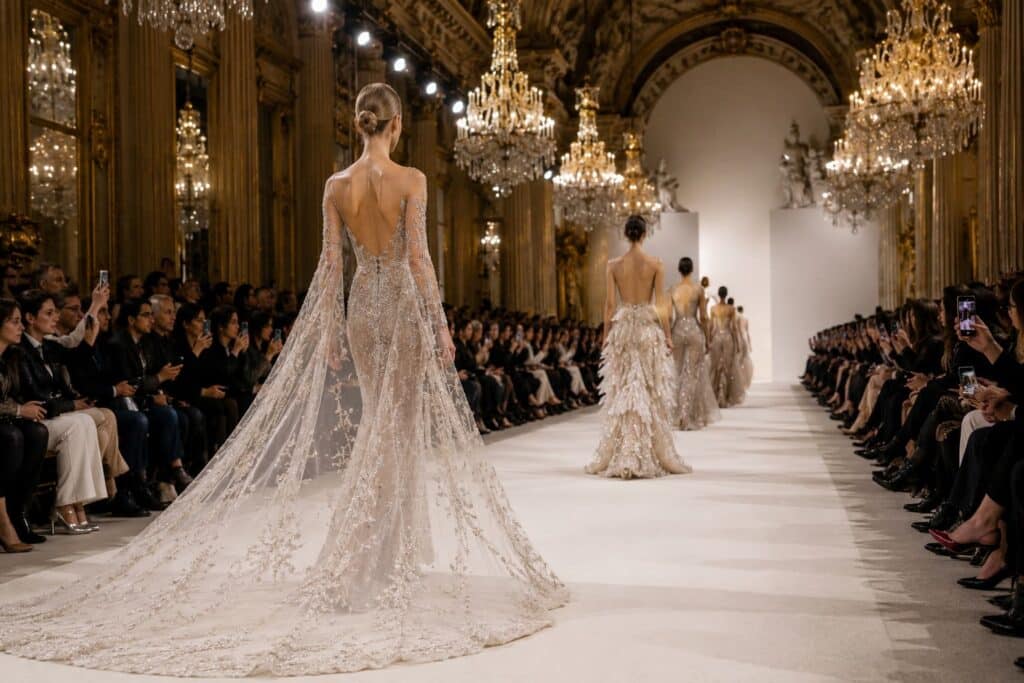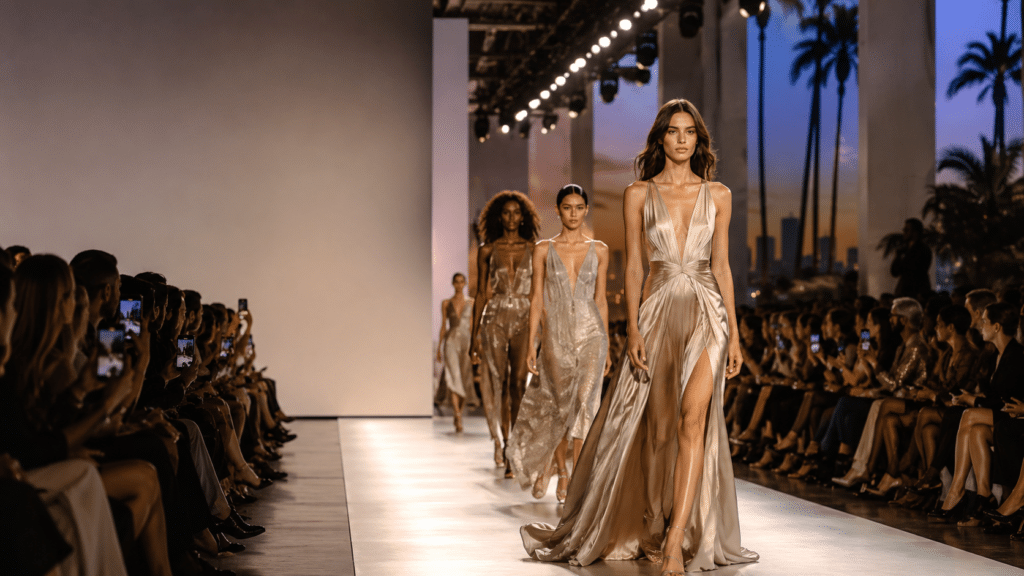
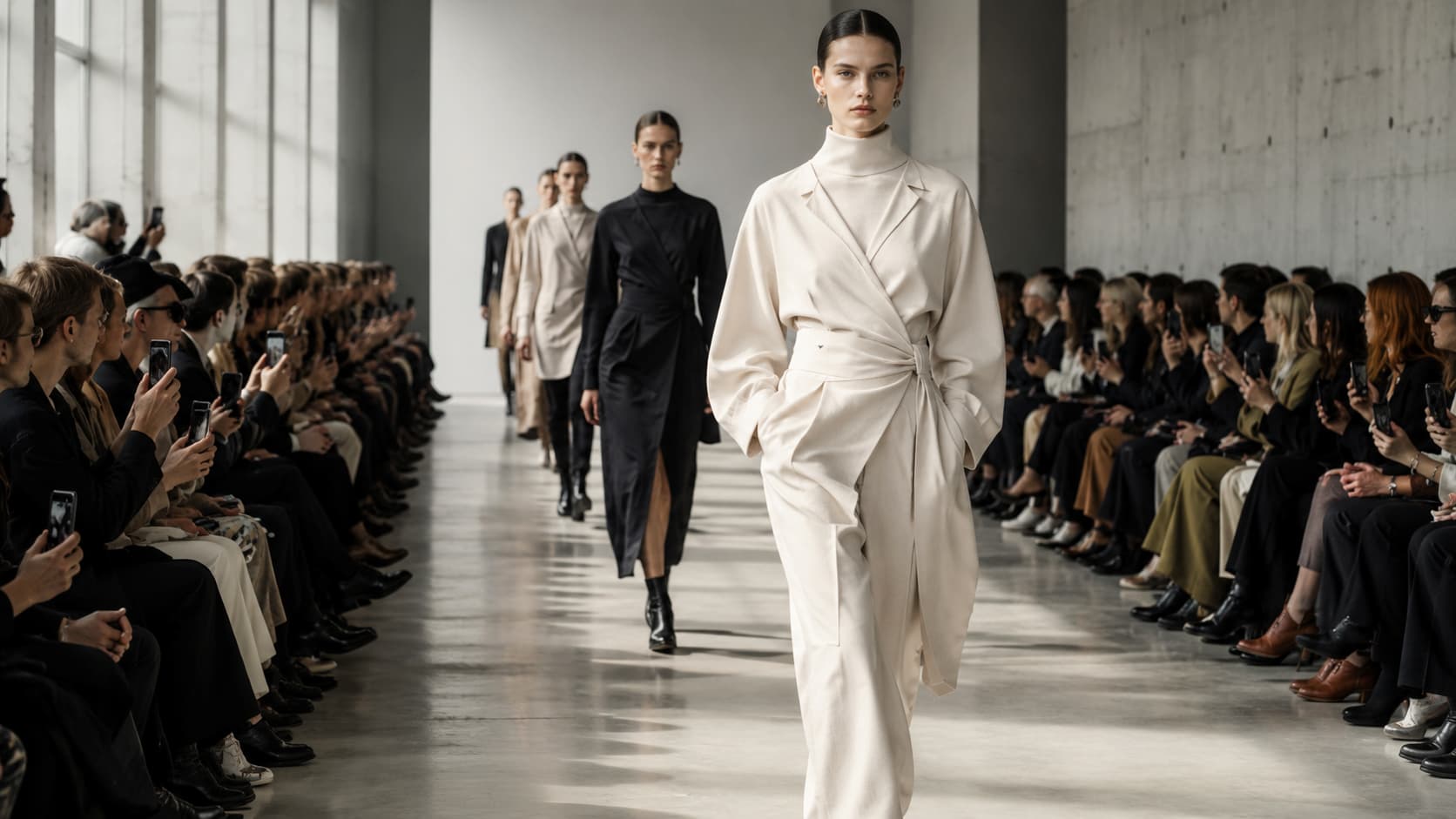

New York Fashion Week remains one of the most commercially important moments in the global fashion calendar for brands looking to build visibility in one of the world’s most competitive retail and media markets.
For many international brands, knowing the official NYFW dates is only the first step. The real challenge starts earlier, when the best temporary retail spaces, showrooms and event venues begin to disappear and the choice of location becomes a strategic decision rather than a logistical one.
If you are looking for the New York Fashion Week 2026 dates, there are two main windows to consider: February and September. The February 2026 edition ran from 11 to 16 February 2026, while the September 2026 edition is scheduled from 10 to 15 September 2026.
Key New York Fashion Week 2026 dates
| Session | Dates | Why it matters for brands |
| Fall/Winter 2026 | 11–16 February 2026 | Strong window for showrooms, buyer meetings, press previews and winter-season launches |
| Spring/Summer 2027 | 10–15 September 2026 | Major visibility moment for public activations, pop-ups, launches and international content |
For brands asking when New York Fashion Week 2026 takes place, September is usually the bigger public-facing opportunity. It tends to align better with open pop-ups, product launches, community events and content-led activations. February, on the other hand, can work especially well for more targeted formats: showrooms, private appointments, buyer meetings or press previews.
For many brands, the real question is not only when NYFW happens, but what kind of presence makes sense before New York becomes saturated with shows, events, launches and competing brand moments.
Why New York Fashion Week matters beyond the official calendar
New York Fashion Week is not only a runway calendar. It is one of the few moments of the year when fashion, media, retail, celebrity, creators, buyers and consumers overlap physically across the city.
NYFW is staged twice a year, in February and September, and positions New York as a global platform for designers and fashion brands.
That changes the role of temporary retail.
A well-planned activation during NYFW can serve very different goals: gaining visibility, receiving buyers, launching a collection, generating social content, testing the US market or reinforcing brand positioning in a city where retail, media and culture move quickly.
New York is not always the easiest city for a brand activation. But when the concept, neighbourhood and format are aligned, it can be one of the most powerful.
Which New York Fashion Week edition is more relevant for your brand?
Not every NYFW edition creates the same type of opportunity. The right choice depends on whether the brand is looking for visibility, commercial meetings, press attention, market testing or cultural relevance.
February: a more focused window for buyers, press and appointments
The February edition can be particularly useful for brands that want a more controlled presence.
The season naturally favours showroom formats, buyer appointments, private previews and more selective activations. It can work especially well for outerwear, tailoring, premium accessories, knitwear, footwear and categories connected to fall/winter buying cycles.
For brands that do not need maximum street visibility, February can offer a more focused environment.
September: maximum visibility and stronger public activation potential
September is usually the more attractive window for brands looking for public visibility.
The city feels more active, the content opportunity is stronger and open-format activations can generate more impact. For pop-up stores, product drops, creator events, press moments and experiential retail, September often offers the best balance between fashion relevance and consumer-facing energy.
The September 2026 edition is also important because CFDA has announced that animal fur will no longer be permitted in collections on the Official NYFW Schedule starting with that season.
For brands with sustainability, innovation or material responsibility as part of their positioning, this can become an additional context to consider.
New York compared with other fashion weeks
Each fashion week has its own commercial logic.
Paris concentrates luxury, global prestige and institutional visibility. Milan works strongly around heritage, craftsmanship and premium fashion. London is more experimental. Copenhagen is increasingly associated with sustainability, design culture and a more community-led fashion scene.
New York offers something different: speed, media, commerce and cultural immediacy.
For brands, that means the opportunity is not only about being seen by fashion insiders. It is also about creating a moment that can connect with press, creators, consumers and buyers at the same time.
Best areas in New York for a pop-up during Fashion Week
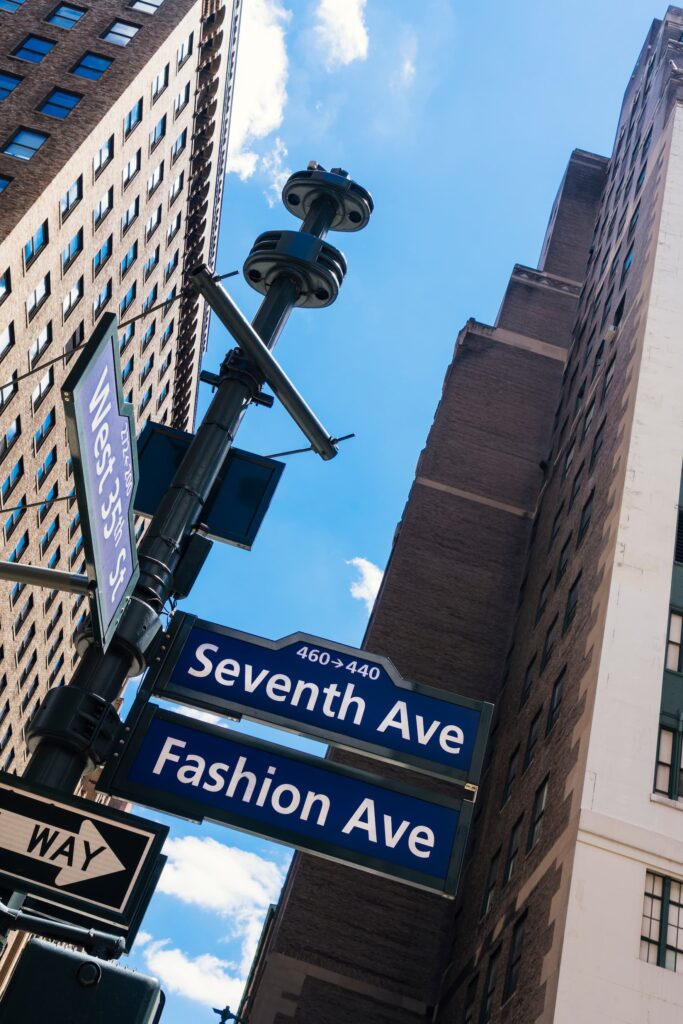
Choosing the right area in New York rarely means choosing the most obvious location. It means choosing the neighbourhood that matches the brand’s objective.
SoHo
SoHo is one of the strongest areas for brands looking for visibility, foot traffic and a direct retail reading.
The neighbourhood has evolved into one of New York’s prime shopping districts, combining luxury boutiques, independent designer stores, galleries and a highly recognisable downtown identity.
For brands planning a pop-up during NYFW, SoHo can work especially well when the goal is public visibility, sales, product discovery or international brand recognition.
NoHo and Nolita
NoHo and Nolita can offer a more curated alternative to SoHo.
They still benefit from downtown fashion energy, but often feel more intimate and less obvious. These areas can work well for brands that want a boutique feel, a softer lifestyle angle or an experience that feels more discovered than heavily commercial.
They are especially relevant for contemporary fashion, beauty, accessories, jewellery, lifestyle concepts and brands with a strong visual identity.
Meatpacking District
The Meatpacking District can be a strong option for brands looking for a more polished, social and high-impact activation.
The area combines fashion, hospitality, nightlife, art and cultural destinations in a compact part of downtown Manhattan. It is often associated with brand activations, experiential retail and events where the surrounding environment matters almost as much as the venue itself.
For NYFW, Meatpacking can work especially well for evening events, influencer moments, premium pop-ups, launch parties or activations connected to hospitality.
Chelsea
Chelsea can make sense for brands that need flexibility, gallery-style spaces or a more event-led format.
It is particularly useful for showrooms, presentations, exhibitions, press previews and creative installations. For brands that want a space with more production possibilities and less reliance on street traffic, Chelsea can be a strong alternative.
Tribeca
Tribeca usually communicates a more premium and discreet type of New York presence.
It can work well for luxury brands, private appointments, high-value clienteling, VIP previews, dinners or more selective activations where the audience is curated rather than spontaneous.
For brands that want a quieter but elevated setting, Tribeca can be more coherent than a high-traffic location.
Lower East Side
The Lower East Side can be interesting for brands that want cultural relevance, nightlife energy and a younger creative audience.
It works better for brands with an independent, editorial, streetwear, music or community-led angle. The area may not always be the safest choice for broad luxury positioning, but it can be very effective when the brand wants edge and local credibility.
Williamsburg
Williamsburg can be useful for brands that want to reach a more creative Brooklyn audience rather than focus only on Manhattan.
NYC Tourism describes Williamsburg as an area closely associated with fashionable Brooklyn, restaurants, bars, galleries and shopping.
For brands with a strong community angle, independent positioning, lifestyle concept or cultural partnership, Williamsburg can offer a different kind of Fashion Week opportunity.
Exploring spaces in New York during Fashion Week
If your project is moving from research to execution, comparing real spaces early is usually more useful than waiting until the official schedule is closer.
In New York, the type of space can completely change the meaning of the activation. A SoHo storefront, a Chelsea gallery, a Tribeca loft, a Meatpacking event space and a Williamsburg warehouse do not communicate the same thing.
Recommended collections:
Explore event spaces in New York
Discover pop-up stores in New York
Browse showroom and private activation spaces in New York
Pop-up, showroom or private activation: which format fits best?
The best format depends less on the trend and more on what the brand wants to achieve.
| Brand objective | Recommended format |
| Public visibility | Pop-up store |
| Buyer meetings | Showroom |
| Press appointments | Press preview |
| Product launch | Pop-up or experiential activation |
| Community building | Event-led pop-up |
| VIP clienteling | Private showroom |
| Market testing | Temporary retail |
| Creator content | Experiential activation |
| Cultural positioning | Installation, dinner or editorial event |
A common mistake is choosing the neighbourhood first and the format later.
For New York Fashion Week, it usually works better the other way around: define the goal first, then choose the format, then choose the neighbourhood.
A brand that needs buyers does not necessarily need the busiest storefront. A brand that needs consumer awareness should not hide in a private showroom. A brand that wants cultural relevance may need the right crowd more than the most expensive address.
What makes New York Fashion Week different for brands in 2026
New York Fashion Week is especially relevant for brands because it sits at the intersection of fashion, commerce and media.
A NYFW activation can be seen by editors, buyers, creators, stylists, celebrities, local consumers and international visitors within the same few days. That makes it powerful, but also highly competitive.
In 2026, the September edition also brings a clearer ethical shift with CFDA’s fur policy. From September 2026, farmed or trapped animal fur from animals killed specifically for their pelts will no longer be permitted on the Official NYFW Schedule, with an exemption only for fur obtained by Indigenous communities through traditional subsistence hunting practices.
For brands activating around NYFW, this does not only matter if they are on the official runway schedule. It also affects the wider cultural context around materials, storytelling, sustainability claims and brand credibility.
How far in advance should brands secure a space for New York Fashion Week 2026?
Many brands underestimate how early New York needs to be planned.
The strongest temporary retail locations and event spaces are rarely secured when Fashion Week is already close. They are usually considered once the brand has defined its objective, budget, format, preferred neighbourhood and production needs.
This is especially true for September.
The city becomes crowded with shows, dinners, launches, creator events, press appointments and private activations. That means availability is not the only issue. Production capacity, staffing, logistics and timing also become harder to manage.
For brands that want a premium location or a highly produced activation, waiting too long usually reduces the quality of the options.
What many brands underestimate when planning NYFW
The most common mistake is thinking first about being present and only later about why.
That often creates weak activations.
The strongest starting point is to define:
- whether the goal is visibility or intimacy
- whether the format should be open or appointment-based
- whether the audience is buyers, press, consumers or creators
- whether the activation should be commercial, editorial or experiential
- whether the neighbourhood supports the brand’s positioning
- whether the team can execute locally at New York speed
Only then does the space become a strategic decision.
Why local execution matters more than it seems
A New York activation rarely depends only on finding a venue.
What usually shapes the final result comes afterwards: production timelines, insurance, deliveries, storage, staffing, permits, installation, merchandising, signage, security, hospitality, guest management and press coordination.
For international brands, this is often where the project becomes more complex than expected.
New York moves quickly. A concept that looks strong on paper can fall apart if the production window is too tight, the space is hard to operate or the location does not match the audience.
Planning New York Fashion Week 2026 starts before the calendar
In New York, many important decisions need to happen before Fashion Week officially begins.
When a brand starts considering an activation in the city, what usually makes the difference is not only being present during the right dates. It is having enough clarity around the type of presence, the right neighbourhood, the best format and the level of local execution required.
During New York Fashion Week, the most interesting spaces do more than provide a location. They shape the type of visibility, meetings, content and perception a brand can generate in just a few days.
The activations that work best in New York rarely depend only on the venue. They usually rely on a clear decision around timing, format, neighbourhood and execution.
For many brands, the most useful next step is not to wait for the calendar to get closer, but to start comparing real options and understanding which part of New York fits the project best.
If you are exploring possible spaces, you can start here:
Explore event spaces in New York
Discover pop-up stores in New York
Browse showroom and private activation spaces in New York
And if the project needs more than a venue —for example local coordination, production, staffing, event design or activation support— it is usually better to plan that from the beginning, before the city enters its highest-demand period.
Tell us about your project.
FAQ: New York Fashion Week 2026 for brands
When is New York Fashion Week 2026?
The February 2026 edition ran from 11 to 16 February 2026, and the September 2026 edition is scheduled from 10 to 15 September 2026.
Which NYFW edition is better for a pop-up?
For many brands, September is the stronger window for public-facing pop-ups, launches and content-led activations. February can work better for showrooms, buyer meetings, press previews and more selective formats.
What are the best areas in New York for a Fashion Week pop-up?
SoHo is usually one of the strongest options for visibility and retail foot traffic. Meatpacking can work well for premium events and experiential activations. Chelsea is useful for gallery-style formats. Tribeca fits private or luxury appointments. Williamsburg can be strong for creative and community-led brands.
Is a showroom or a pop-up better during NYFW?
It depends on the goal. A pop-up is usually better for public visibility, product discovery and consumer engagement. A showroom is usually better for buyers, press, private appointments and collection presentations.
How far in advance should brands plan?
The earlier, the better, especially for September. New York’s best temporary retail spaces, production partners and event venues can become difficult to secure once the calendar gets closer.
Related Fashion Week guides: For a broader comparison of activation opportunities, explore Paris Fashion Week, Los Angeles Fashion Week and Copenhagen Fashion Week.
Planning a pop-up: Before committing to a space, review our guides to choosing the right city for your first pop-up, deciding how long a pop-up should last and creating memorable pop-up experiences.